

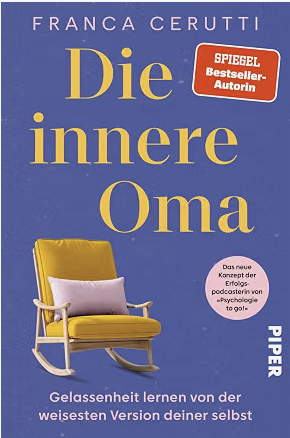
Ceruti: Die innere Oma
Stellen Sie sich vor, Sie könnten Ihr 90-jähriges Ich um Rat fragen. Jemanden, der Sie kennt wie niemand sonst, und mit Weitblick und Wohlwollen auf Ihr Leben und Ihren Alltag blickt. Franca Cerutti macht diese weise Instanz zugänglich, und nennt sie ‚die innere Oma‘. In liebevoller Ergänzung zum inneren Kind schaut sie nicht zurück, sondern nach vorn – und vom Ende des Lebens auf das, was heute wirklich zählt. Psychologisch fundiert und therapeutisch erprobt zeigt dieses Buch, wie wir loslassen können, was uns stresst.


Brosius-Gersdorf: Wahl und Wahrheit
Ein juristischer Blick auf die Debatten unserer Zeit: Die renommierte Verfassungsrechtlerin Frauke Brosius-Gersdorf blickt auf ihre gescheiterte Richterwahl, analysiert die großen gesellschaftlichen Streitfragen der Gegenwart (Schwangerschaftsabbruch, Religionsfreiheit, Leihmutterschaft, Parteiverbote) durch die juristische Brille und plädiert für eine Rückkehr zur sachorientierten Debatte.


Redecker: Dieser Drang nach Härte
Es geht ein Rechtsruckum die Welt, überall gewinnen autoritäre Kräfte an Macht und Einfluss. Und doch laufen die ewig bemühten Analogien zur Zeit des Nationalsozialismus ins Leere: Der Faschismus der Gegenwart hat eine neue Gestalt, die nicht leicht zu erkennen und noch schwerer zu erklären ist. In Redeckers wegweisender Analyse gewinnt sein diffuses Wesen an Kontur – und wird angreifbar. Seinen Kern verortet sie in der Beschwörung eines unbedingten Besitzanspruchs, dessen Verteidigung über Leichen geht.

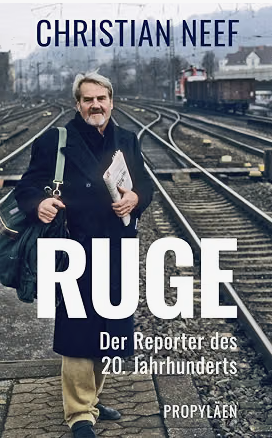
Neef: Ruge
Den Menschen zuhören und sie verstehen – kaum einer hat diese Prämisse mehr beherzigt als Gerd Ruge. Bis heute verkörpert er das, was man unter objektivem und dennoch empathischem Journalismus versteht. Christian Neefs Biografie zeichnet nicht nur das Leben dieses außergewöhnlichen Reporters nach, sondern erzählt auch von den wichtigsten weltpolitischen Umbrüchen der zweiten Hälfte des 20. Jahrhunderts, die Ruge oft direkt vor Ort erlebte.

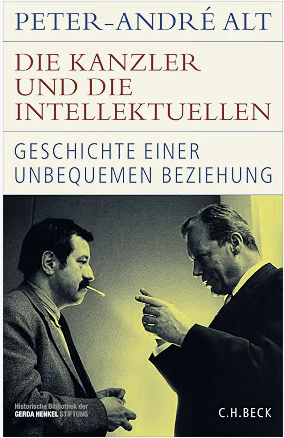
Alt: Die Kanzler und die Intellektuellen
Geist und Macht – das war schon immer ein spannungsgeladenes Verhältnis. Dass die Intellektuellen den Mächtigen nichts schenken, liegt ebenso in der Natur dieser Beziehung wie die Reserve der Politiker gegenüber selbstherrlichen Literaten, die alles besser wissen, ohne in der Verantwortung zu stehen. Peter-André Alt hat sich von Konrad Adenauer bis Olaf Scholz die Bundeskanzler und ihre Beziehung zum geistigen Leben der Republik genau angeschaut. Das Ergebnis ist ein höchst aufschlussreiches Buch über die politische Kultur der Bundesrepublik, prallvoll mit Geschichten von Heinrich Böll und Günter Grass, Wolf Biermann und Christa Wolf, Eva Menasse und Juli Zeh.

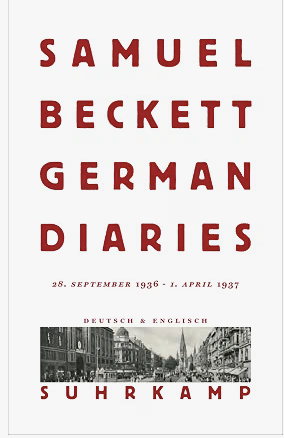
Beckett: German Diaries
Samuel Beckett hat nur einmal in seinem Leben über längere Zeit Tagebuch geführt, nämlich auf seiner großen Deutschlandreise von September 1936 bis April 1937, die ihn u. a. nach Hamburg, Berlin, Dresden und München führte. Es handelt sich um die letzten bedeutenden Texte des Autors, die noch unveröffentlicht sind. Sie geben Aufschluss über die Entwicklung von Becketts Ästhetik in dessen Auseinandersetzung mit Literatur und mit bildender Kunst. Historisch bedeutsam sind sie wegen des unbestechlichen Blicks, den der junge irische Autor als teilnehmender Beobachter auf das Deutschland der frühen Nazijahre wirft.
Eschenbach: Das Dorf der Visionäre
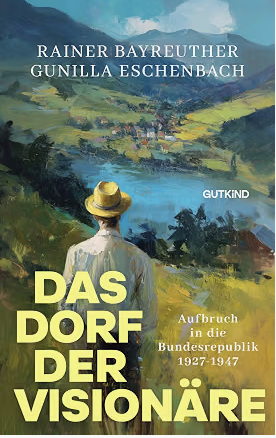
Das Schwarzwalddorf Saig über Titisee wird in der ersten Hälfte des 20. Jahrhunderts zum Rückzugsort für Intellektuelle, Künstlerinnen, Industrielle, Verfolgte und Widerständler: Martin Heidegger, Edmund Husserl, Otto Dix, Marie Luise Kaschnitz, Hanns Martin Schleyer, Generaldirektoren deutscher Konzerne, Stars der Babelsberger Studios, Stauffenberg-Vertraute und Bildhauer aus dem Umfeld Hitlers – sie alle verbringen Zeit an diesem abgeschiedenen Ort im Hochschwarzwald. Was wie ein historischer Zufall wirkt, entpuppt sich als Schlüsselkonstellation für die deutsche Nachkriegsordnung.
van Loo: Napoleon
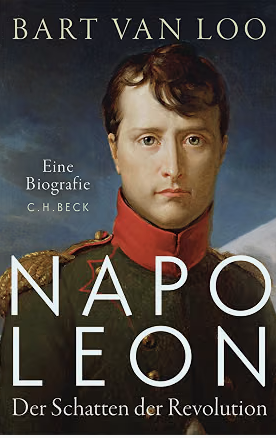
Wie kam es dazu, dass sich ein unbekannter Korse zum Kaiser der Franzosen krönte, ein aufgeklärtes Recht einführte, mit seinen Feldzügen Europa umkrempelte, dabei Millionen Tote hinterließ und schließlich in den Sümpfen bei Waterloo scheiterte? Meistererzähler Bart Van Loo findet die Antwort in den Turbulenzen der Französischen Revolution, die im gleichen Atemzug die Guillotine und die Menschenrechte erfand. Sein brillant erzähltes Epos über die Revolution und Napoleon lässt beide in neuem Licht erscheinen.
Hope: Wo wir uns treffen
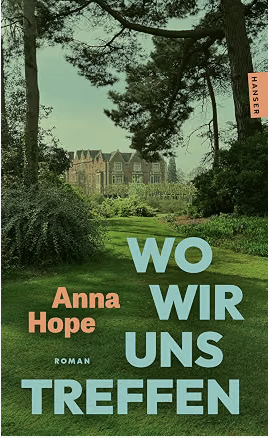
Als der Patriarch Philip Brooke stirbt, kommen seine Kinder Frannie, Milo und Isa für fünf Tage auf dem gewaltigen Anwesen in Sussex zusammen. Haupterbin Frannie hat hier die Führung übernommen, sie will das Land renaturieren und für ihre kleine Tochter eine Zukunft schaffen. Doch Milo kommt ihr in die Quere und Isa hat die Tochter von Philips Geliebter zur Beerdigung eingeladen. Und die kennt das wahre Erbe der Brooks. Ein meisterlich komponierter Familienroman über die Beziehungen, die uns für immer prägen, über ererbten Besitz und historische Verantwortung.


Freytag: Blaues Wunder
Als Ferdinand von einem ‚Sommer auf dem Meer‘ sprach, hatte Nora etwas anderes im Sinn: weniger abgelegen, weniger beruflich. Auch Franziska ahnte nicht, worauf sie sich einließ, als ihr Mann Kilian einen Urlaub zu siebt ankündigte: mit seinem Chef, seinem größten Konkurrenten, den drei Ehefrauen und Chef-Sohn David. Auf der luxuriösen Superyacht in den Philippinen mangelt es ihnen an nichts, es könnte eine entspannte Zeit sein, aber die Gäste ahnen: Bei diesem Trip geht es um mehr, um etwas Großes.

Myers: Strandgut
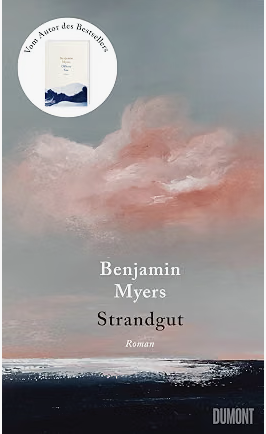
Earlon ‚Bucky‘ Bronco erreicht eine unerwartete Nachricht: eine Einladung zu einem Soulfestival im englischen Scarborough. Tatsächlich hat Bucky eine Vergangenheit als Soulsänger, doch in den USA sind seine wenigen Songs längst vergessen. An der britischen Küste angekommen, begreift er, dass er hier eine Art Legende ist. Und er trifft auf Dinah, eine melancholische und lebenskluge Mittfünfzigerin, die ihren deprimierenden Alltag am besten vergessen kann, wenn sie Buckys Lieder hört oder sich in die kalte Nordsee stürzt.

Geiger: Reise nach Laredo
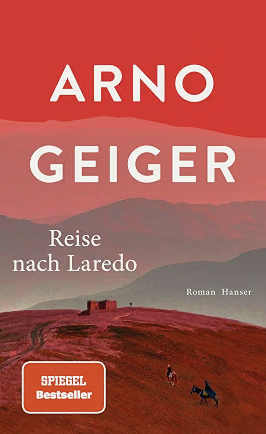
Spanien im Jahr 1558. Kaiser Karl V. hat alle Ämter aufgegeben und sich in ein abgelegenes Kloster zurückgezogen. Er ist krank und wartet auf sein Ende. Doch dann begegnet er dem elfjährigen Geronimo, und gemeinsam beschließen sie davonzureiten, nachts, auf Pferd und Maulesel. Sie geraten in wilde Abenteuer, finden Weggefährten auf dem Weg nach Laredo. Karl lernt kennen, was er trotz Macht, Ruhm und Reichtum bisher nicht hatte: Freundschaft, Liebe, Unbeschwertheit und die Freiheit, die es bedeutet, nur im Moment zu leben.